


Auswirkungen von KI auf das LernenSeverin Brunold, Peter Mandak
 Zu finden in: Fokus lernen (Seite 16 bis 43), 2026
|
 |
 Dieses Biblionetz-Objekt existiert erst seit September 2026.
Es ist deshalb gut möglich, dass viele der eigentlich vorhandenen Vernetzungen zu älteren Biblionetz-Objekten bisher nicht erstellt wurden.
Somit kann es sein, dass diese Seite sehr lückenhaft ist.
Dieses Biblionetz-Objekt existiert erst seit September 2026.
Es ist deshalb gut möglich, dass viele der eigentlich vorhandenen Vernetzungen zu älteren Biblionetz-Objekten bisher nicht erstellt wurden.
Somit kann es sein, dass diese Seite sehr lückenhaft ist.
 Dieses Kapitel erwähnt ...
 Algorithmus
 Angst
Angst Aufmerksamkeit / Fokus
 Aufmerksamkeitsökonomie
 Belohnung
 Chat-GPT
 Daten
Daten Denken
 Depression
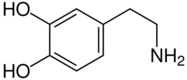 Dopamin
 facebook
 Generative Machine-Learning-Systeme (GMLS)
 Geschäftsmodell
 influencer
 Instagram
 Künstliche Intelligenz (KI / AI)
 Lernen
 Lesekompetenz
 Mädchen
 Risiko
 Schlaf
 snapchat
 social media / Soziale Medien
 Stress
 Technologie
 Tiktok
 Unternehmen
 WhatsApp
 YouTube


 Dieses Kapitel erwähnt vermutlich nicht ...
Nicht erwähnte Begriffe | GMLS & Bildung, GMLS & Schule, Google, Knaben, Twitter |
 Tagcloud
 Zitationsgraph
Zitationsgraph (Beta-Test mit vis.js)
 Volltext dieses Dokuments
| Auswirkungen von KI auf das Lernen: Kapitel als Volltext (:  , 399 kByte) , 399 kByte) |
 Anderswo suchen
 Beat und dieses Kapitel
Beat hat Dieses Kapitel erst in den letzten 6 Monaten in Biblionetz aufgenommen. Er hat Dieses Kapitel einmalig erfasst und bisher nicht mehr bearbeitet. Beat besitzt kein physisches, aber ein digitales Exemplar. (das er aber aus Urheberrechtsgründen nicht einfach weitergeben darf). Aufgrund der vielen Verknüpfungen im Biblionetz scheint er sich intensiver damit befasst zu haben. Es gibt bisher nur wenige Objekte im Biblionetz, die dieses Werk zitieren.
 Biblionetz-History