


From Visualization to Adaptive Learning in Algorithms and Data StructuresHadas Chassidim, Noam Bar, Irina Rabaev
Publikationsdatum:
  Zu finden in: Informatics in Education 3/2026 (Seite 1 bis 24), 2026
|
 |
 Dieses Biblionetz-Objekt existiert erst seit Oktober 2026.
Es ist deshalb gut möglich, dass viele der eigentlich vorhandenen Vernetzungen zu älteren Biblionetz-Objekten bisher nicht erstellt wurden.
Somit kann es sein, dass diese Seite sehr lückenhaft ist.
 Zusammenfassungen
Computer science students are required to master data structures and algorithms, yet learning these topics often presents significant cognitive challenges. This study investigates whether a bundled package of adaptive personalization is associated with learning outcomes, perceived workload, and usability, using an existing educational visualization tool called VZOU (Visualization Zone of Understanding). The enhanced adaptive version of VZOU incorporates personalized learning paths structured around a visible learning progression map, enabling learners to monitor their progress, identify gaps, and take ownership of their learning path. Basic gamification features, Bloom-aligned progressive sequencing, and topic-specific formative quizzes are designed to support self-regulated learning through immediate feedback and motivational reinforcement. In a between-subjects study (N = 55), we compared control, non-adaptive, and adaptive groups. The adaptive group scored significantly higher on the post-test than the non-adaptive and control groups (mean 89.3 vs. 73.3 and 71.0 out of 100, respectively), and showed numerically but not statistically higher usability scores (SUS). Perceived mental workload showed a mixed pattern: the overall six-subscale NASA-TLX composite did not differ significantly by condition, though Mental Demand specifically was significantly higher in the adaptive group than in the control group, and a workload composite excluding self-rated success also differed significantly across conditions. The bundled adaptive VZOU package, combining a diagnostic-driven graph, gated progression, formative quizzes, and gamification, was associated with higher post-test performance, while raising certain aspects of perceived workload. As these components were not manipulated independently, the estimate reflects the package as a whole, not any single element.
Von Hadas Chassidim, Noam Bar, Irina Rabaev im Text From Visualization to Adaptive Learning in Algorithms and Data Structures (2026)  Dieser wissenschaftliche Zeitschriftenartikel erwähnt ...
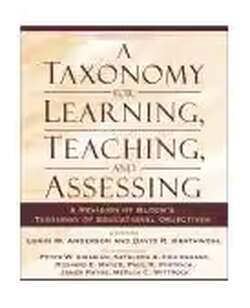
 Personen KB IB clear | Lorin W. Anderson , B. S. Bloom , David R. Krathwohl | |||||||||||||||||||||||||||
 Begriffe KB IB clear |
GamificationGamification
, Informatikcomputer science
, PersonalisierungPersonalization
, Selbstreguliertes Lernen
,  Visualisierungvisualization | |||||||||||||||||||||||||||
 Bücher |
|

 Dieser wissenschaftliche Zeitschriftenartikel erwähnt vermutlich nicht ...

Nicht erwähnte Begriffe | Informatik-Didaktik, Informatik-Unterricht (Fachinformatik) |
 Zitationsgraph (Beta-Test mit vis.js)
 Anderswo finden

 Volltext dieses Dokuments
| From Visualization to Adaptive Learning in Algorithms and Data Structures: Artikel als Volltext (:  , 4021 kByte; :  ) |
 Anderswo suchen
 Beat und dieser wissenschaftliche Zeitschriftenartikel
Beat hat Dieser wissenschaftliche Zeitschriftenartikel erst in den letzten 6 Monaten in Biblionetz aufgenommen. Er hat Dieser wissenschaftliche Zeitschriftenartikel einmalig erfasst und bisher nicht mehr bearbeitet. Beat besitzt kein physisches, aber ein digitales Exemplar. Eine digitale Version ist auf dem Internet verfügbar (s.o.). Aufgrund der wenigen Einträge im Biblionetz scheint er es nicht wirklich gelesen zu haben. Es gibt bisher auch nur wenige Objekte im Biblionetz, die dieses Werk zitieren.
 Biblionetz-History